
Long before artificial intelligence became the defining conversation in our industry, I learned that the success of an infrastructure project rarely depends on technology alone. Reliable power, local execution and the ability to navigate permitting and grid access were often far more decisive than any technical specification. A design could be flawless on paper and still fail because those fundamentals weren’t in place.
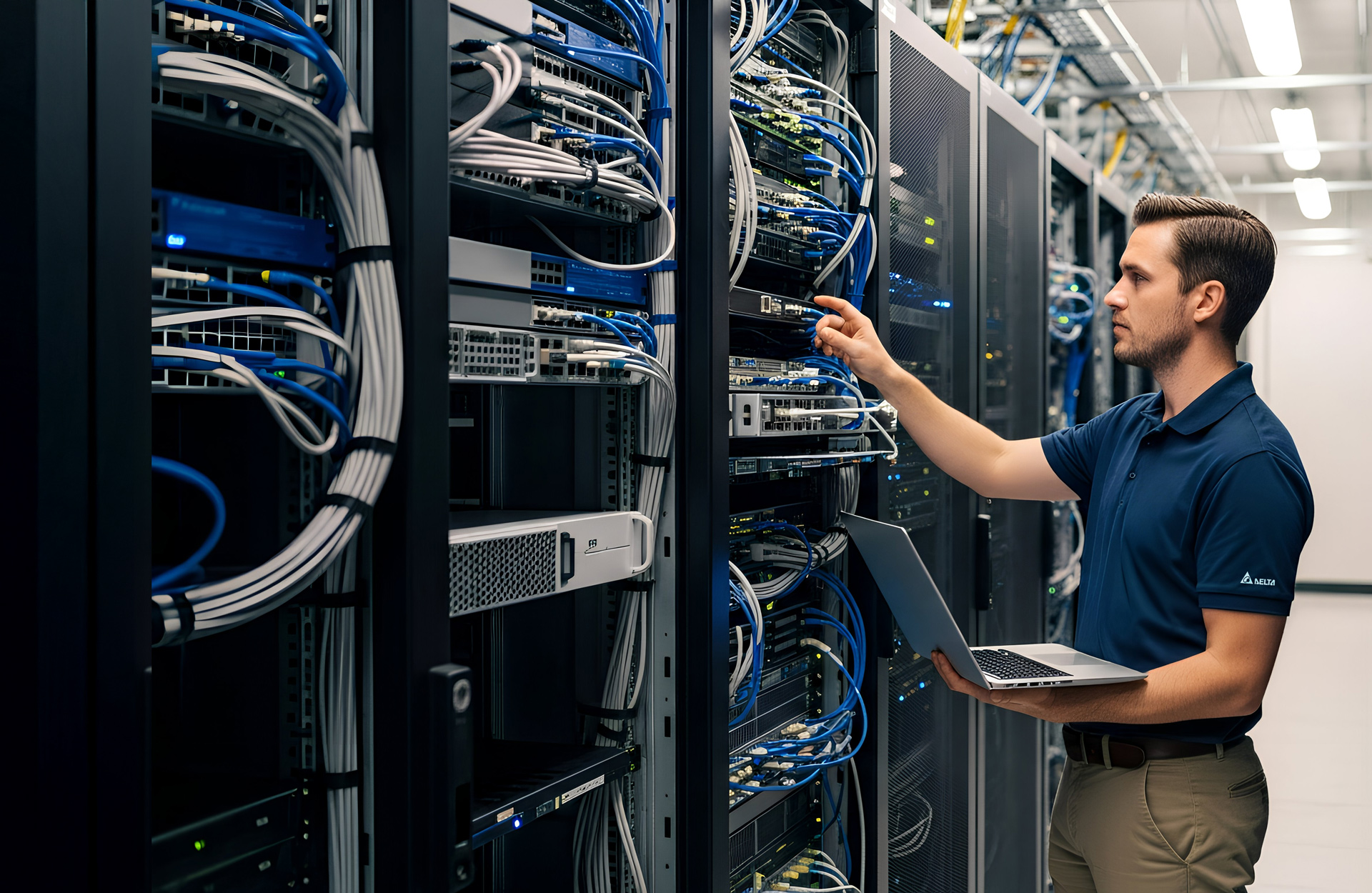
That lesson shapes the way I look at today’s AI race. Everywhere I go, I hear conversations about GPUs, liquid cooling and ever higher rack densities. Those conversations matter. But I sometimes wonder whether they’re making us overlook a much simpler reality. The biggest constraint facing AI infrastructure isn’t computing. It’s the infrastructure that makes computing possible in the first place.
Our industry is making a familiar mistake. We’re pouring enormous energy into optimising the visible parts of the system while paying too little attention to the foundations that determine whether the system can exist at all. I have watched this pattern repeat for three decades, and it rarely ends well.
The organisations that build successful infrastructure aren’t necessarily those with the most advanced technology. More often, they’re the ones that understand where the real risks lie before everyone else does. Today, that means recognising that the conversation about AI is becoming, increasingly, a conversation about power.
MEA isn’t different; it’s simply ahead of the curve
One of the reasons I worry about the current direction of the industry is that we have become very good at measuring progress without measuring what actually determines success.
Every industry develops its own language of reassurance. In ours, it’s easy to find comfort in metrics, certifications and benchmarks because they create the impression that complexity can be reduced to a handful of numbers. They’re useful, and I’m certainly not arguing against measurement. The danger comes when the metrics become the conversation rather than a tool to inform it. We start optimising for what we can quantify instead of asking whether we’re measuring the constraints that will define the outcome.
Power Usage Effectiveness is a good example. For years it has been one of the most influential indicators in our industry, and understandably so. It encourages better engineering and greater operational efficiency. But efficiency is not resilience, and it is certainly not readiness. A facility with an outstanding PUE still depends on one fundamental assumption: that the electricity it was designed to consume will actually be available when the doors open. That assumption has become fragile.
Consider what AI has done to the numbers. A conventional enterprise rack drew perhaps five to ten kilowatts. The latest AI training racks demand well over a hundred, and the roadmaps point higher still. Meanwhile, developers in parts of Europe are being quoted five years or more for a grid connection. When demand multiplies by ten and supply moves at the speed of transmission projects, the strategic question changes. In many markets today, the first competitive advantage is no longer a better design or a more efficient cooling architecture. It’s access to reliable, affordable power before everyone else starts looking for the same resource.
That’s why I believe the industry is approaching an inflection point. The questions that determined success over the last decade won’t determine success over the next one. We can keep refining the metrics that helped us optimise yesterday’s infrastructure, but we shouldn’t mistake them for the metrics that will decide tomorrow’s investments.
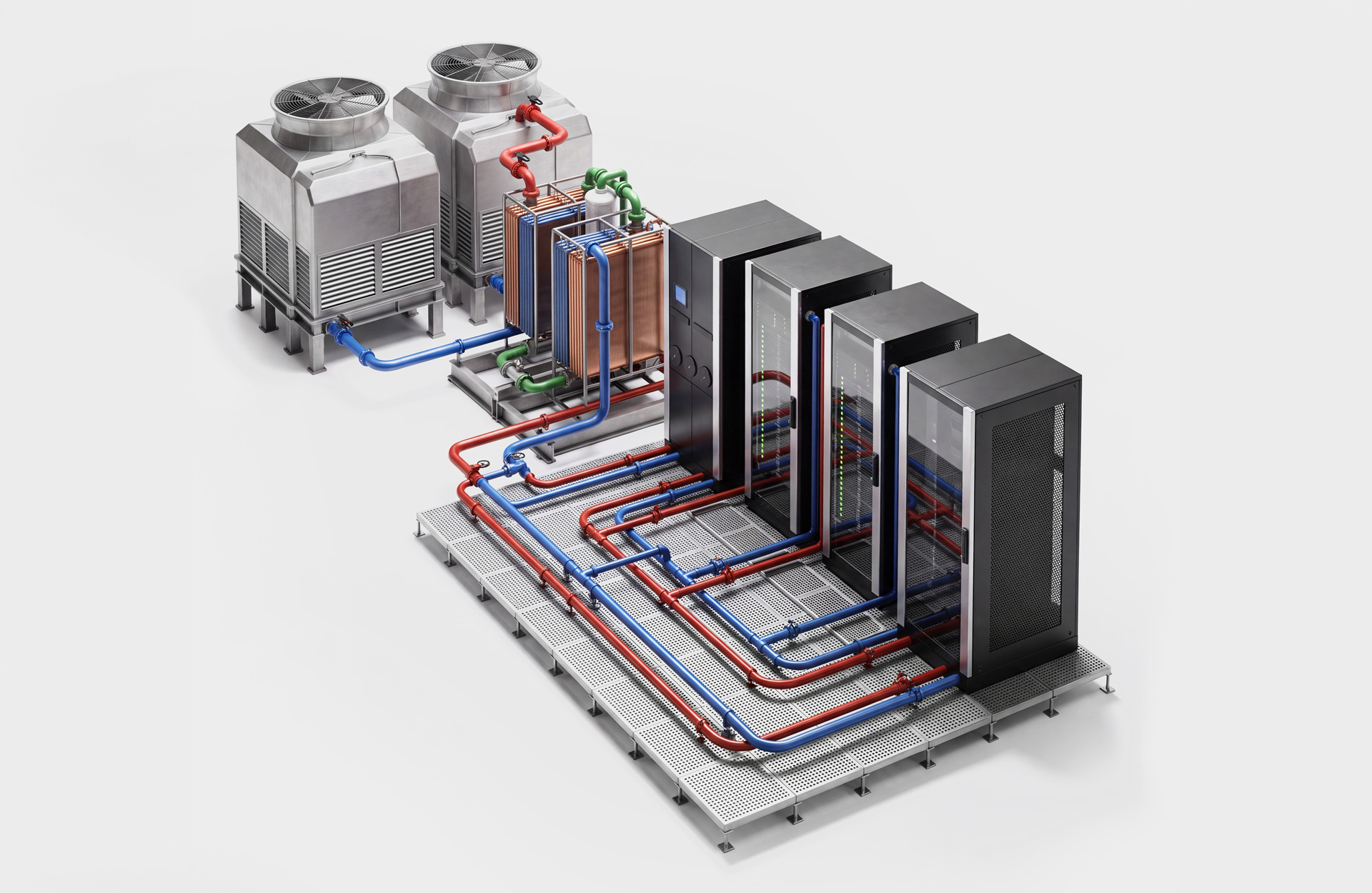
The industry is optimising the wrong variables
For much of my career, people assumed the challenges we faced in the Middle East and Africa were unique to the region. Reliable grid capacity couldn’t always be assumed. Utility upgrades often moved at a different pace from commercial expectations. Regulatory frameworks evolved quickly, local supply chains varied enormously from one market to the next, and every major project demanded a far deeper understanding of the local operating environment than the technical specification alone could provide.
Many people viewed those conditions as exceptions. I never did.
I remember a project early in my years building this region where the facility was ready months before the utility connection was. Every technical milestone had been met, and none of it mattered until we sat with the utility, understood their constraints, and built a bridging plan around their timeline rather than ours. The customer never mentioned the specification again. What they remembered was that we solved the problem. Deliver enough projects like that, across markets as different as Riyadh, Cairo, Lagos and Nairobi, and you develop a particular instinct for risk. A technically correct design is not automatically a deliverable one. You learn to ask certain questions at the very beginning of a project, because experience tells you those questions become expensive if they’re postponed.
That perspective has become far more relevant as AI transforms the economics of digital infrastructure. The challenges many regarded as characteristic of emerging markets are now appearing in mature economies with surprising speed. Developers across Europe are waiting years for grid connections. Utilities are struggling to keep pace with unprecedented demand. Governments are stepping into decisions about energy allocation, permitting and strategic infrastructure. And in my own region, the direction of travel has reversed entirely. Saudi Arabia and the UAE are announcing AI campuses measured in gigawatts, backed by sovereign capital and, crucially, by energy systems planned alongside the compute rather than after it. The lessons this region learned the hard way are now the lessons the whole industry needs.
This is why I believe the industry has entered a fundamentally different phase of its development. For years, competitive advantage came primarily from building more efficiently than your competitors. Better engineering, shorter lead times and stronger commercial execution usually created a meaningful edge. Those capabilities remain important, but they’re no longer sufficient on their own, because they assume the underlying resources are available to everyone. Increasingly, they are not.
The organisations that will define the next decade are unlikely to be those with the most impressive product portfolio or the most persuasive marketing. They’ll be the ones that understand infrastructure as an ecosystem rather than a collection of technologies. They’ll know how utilities make investment decisions, how governments think about strategic energy security, how local execution partners influence operational performance over decades, and why relationships built years before a project begins often matter more than negotiations conducted once procurement starts.
That’s one of the reasons I remain cautious whenever I see announcements of enormous AI capacity accompanied by aggressive delivery timelines. I’ve spent too many years watching infrastructure projects move from concept to reality to believe capital alone determines outcomes. Capital is essential, but infrastructure obeys a different set of rules. Electricity arrives when the grid is ready, not when the investment committee approves the budget. Permits are granted when institutions complete their work, not when shareholders demand growth. Operational capability is built over years, not acquired in the final months before commissioning.
None of this makes me pessimistic about the future of AI infrastructure. On the contrary, the opportunities ahead are extraordinary. But our industry needs to become more honest about what it takes to deliver them. Technology is only one part of the equation. Infrastructure has always been the art of aligning technology with physical reality and institutional reality. The companies that recognise that today won’t simply build more data centres. They’ll build the infrastructure that makes the next generation of AI economically and operationally sustainable.
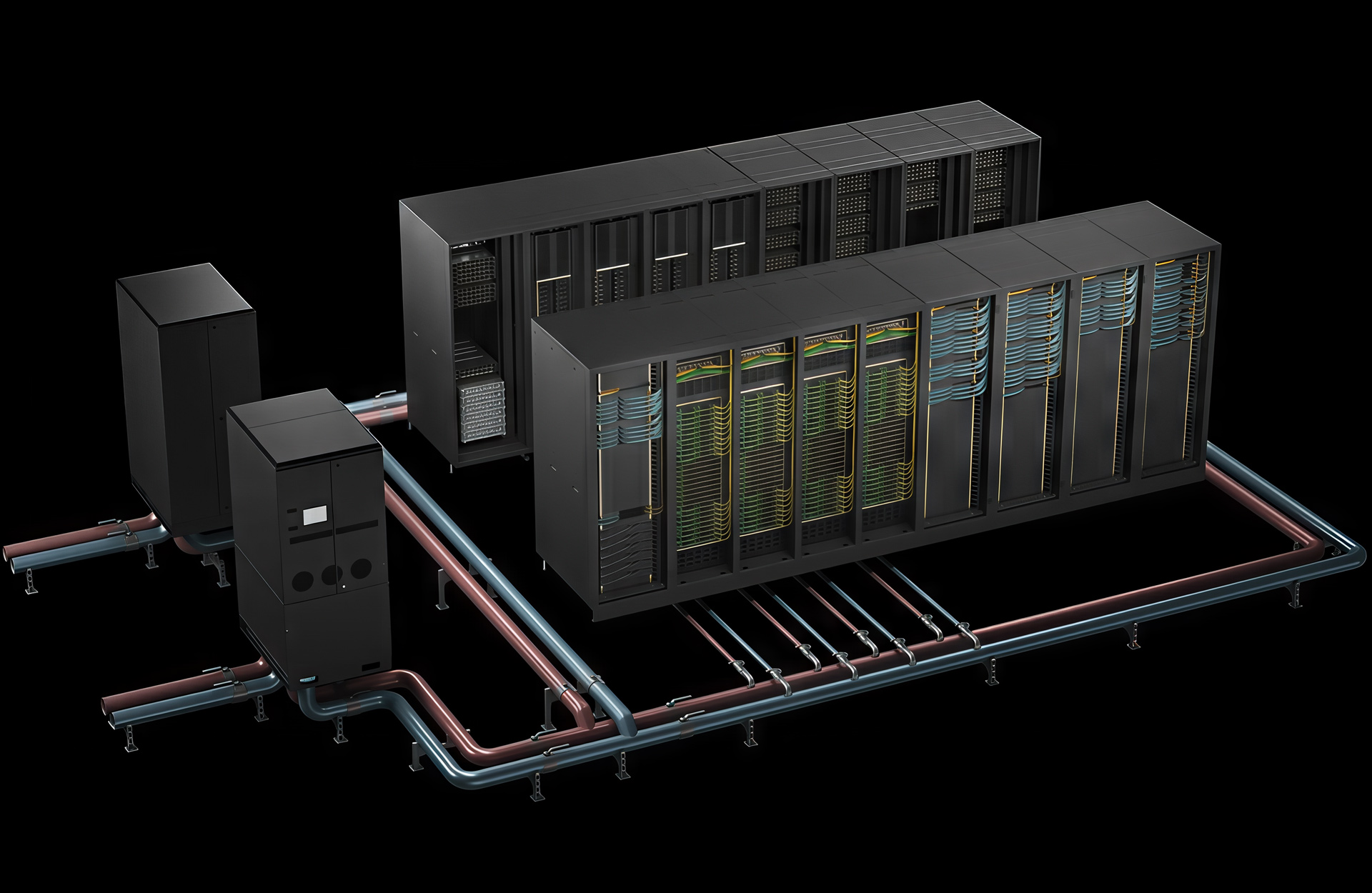
The AI race will ultimately be won by infrastructure
If this sounds like an argument for investing more in technology, then I’ve probably made my point badly. The opposite is true. The industry already knows how to build extraordinary technology. The real challenge is delivering extraordinary outcomes, and those two things are not the same.
Some of the toughest decisions I have made over the years had very little to do with selecting equipment. They were decisions about whether to stop a project when commercial pressure was pushing us to continue, whether to challenge a customer’s assumptions before they became expensive mistakes, or whether to absorb short term pain to protect a relationship that mattered over the long term. Those moments never appear in a technical specification, yet they often determine whether a project succeeds or fails.
That’s one reason I’ve grown sceptical of the way our industry talks about partnerships. We use the word constantly, but too often we describe relationships that are fundamentally transactional. A supplier delivers equipment, the customer signs the acceptance certificate, and both parties move on. There’s nothing wrong with that model if the objective is simply to complete a purchase. It is far less effective when the objective is infrastructure expected to operate reliably for the next twenty years.
Real partnerships are usually tested when somebody must deliver unwelcome news. They’re built when a vendor is prepared to say, “I don’t think this is the right decision,” even when that advice may delay a project or reduce short term revenue. They’re strengthened when both sides solve problems together rather than argue about contractual obligations after something has gone wrong. Those conversations are uncomfortable, but they’re also the moments when trust is created. In my experience, customers rarely remember the project that went exactly according to plan. They remember how you behaved when it didn’t.
The same principle applies inside organisations. As infrastructure projects become larger and more strategically important, technical excellence alone is no longer enough. The decisions that shape these investments increasingly involve finance, operations, energy providers, regulators and government stakeholders, each bringing different priorities and different definitions of risk. Success depends on aligning those interests long before construction begins. By the time the equipment arrives on site, many of the decisions that will determine the outcome have already been made.
That’s why execution has become the industry’s greatest competitive advantage. Not execution in the narrow sense of delivering a project on time, but execution as the ability to connect engineering with commercial judgement, long term relationships, and an honest understanding of how infrastructure is actually delivered. Technology can be copied. Products improve with every generation. Execution is built slowly through experience, and it’s much harder to replicate than any innovation on a product roadmap.
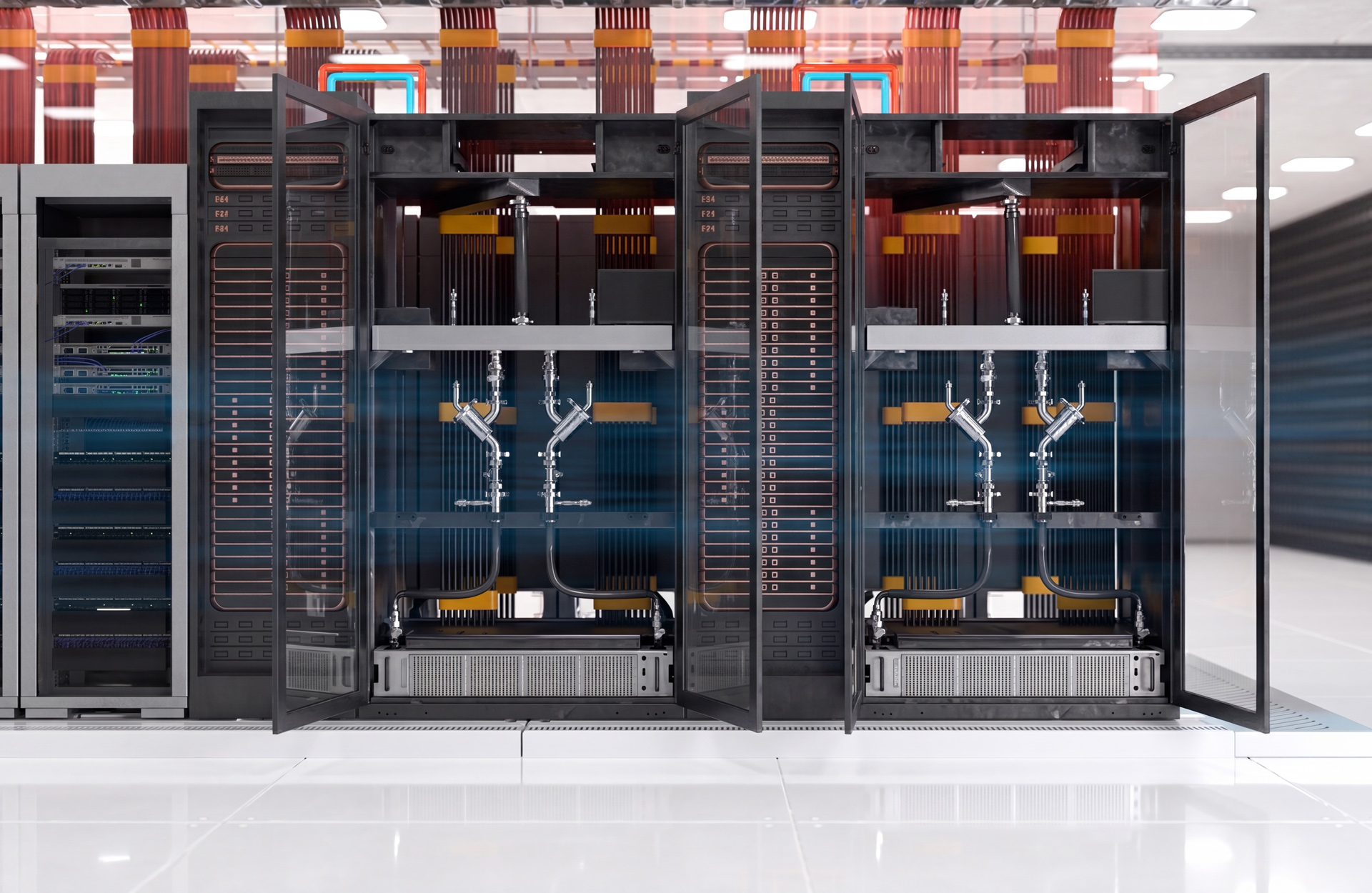
Why execution, not technology, determines who wins
If there’s one prediction I feel increasingly confident making, it’s this: we’re about to stop thinking of electricity as a utility and start treating it as a strategic asset. That change may sound subtle, but it will reshape the economics of digital infrastructure more profoundly than any single advance in computing.
For decades, access to power was largely assumed. It was an input into the business model rather than a source of competitive advantage. Companies competed on engineering capability, commercial execution and operational excellence because those were the variables they could influence most directly. That assumption is breaking down. As AI accelerates demand for high density compute, reliable electrical capacity is becoming scarcer, more valuable and far more strategic than most organisations anticipated.
The implications extend well beyond the data centre industry. Governments are beginning to view energy infrastructure through the lens of economic competitiveness and national capability. Utilities find themselves at the centre of investment decisions that would once have been driven almost exclusively by technology companies. Corporate boards are asking questions about energy security that would have been considered operational details only a few years ago. The conversation is changing because the constraints are changing.
That’s why I believe we’ll look back on this period as a turning point. Not because AI transformed the technology inside the data centre, impressive though those advances are, but because it forced the industry to recognise something it had gradually overlooked. Digital infrastructure has never been independent of physical infrastructure. We simply reached a point where that dependence became impossible to ignore.
When historians write about the AI boom, I suspect they’ll spend less time on the processors that defined this generation than on the infrastructure decisions that determined where those processors could actually be deployed. Many of today’s announcements will become successful facilities. Some will never move beyond ambitious plans. The difference will rarely come down to the quality of the technology. More often, it will reflect whether the hard work of securing power, building capability and aligning long term infrastructure with long term demand had already been done before the headlines appeared.
That’s the lesson I have taken from three decades in critical infrastructure. Technology changes remarkably quickly. Infrastructure does not. It rewards patience over excitement and preparation over optimism. Those principles aren’t obstacles to the AI era. They’re the conditions that will determine how much of its promise can actually be realised.
Perhaps that’s the paradox our industry now faces. We’re living through one of the fastest technology revolutions in history, yet success will increasingly depend on disciplines that have always moved at a slower pace: energy planning, infrastructure investment and trust.
The companies that understand this won’t simply adapt to the next phase of AI. They’ll help define it.
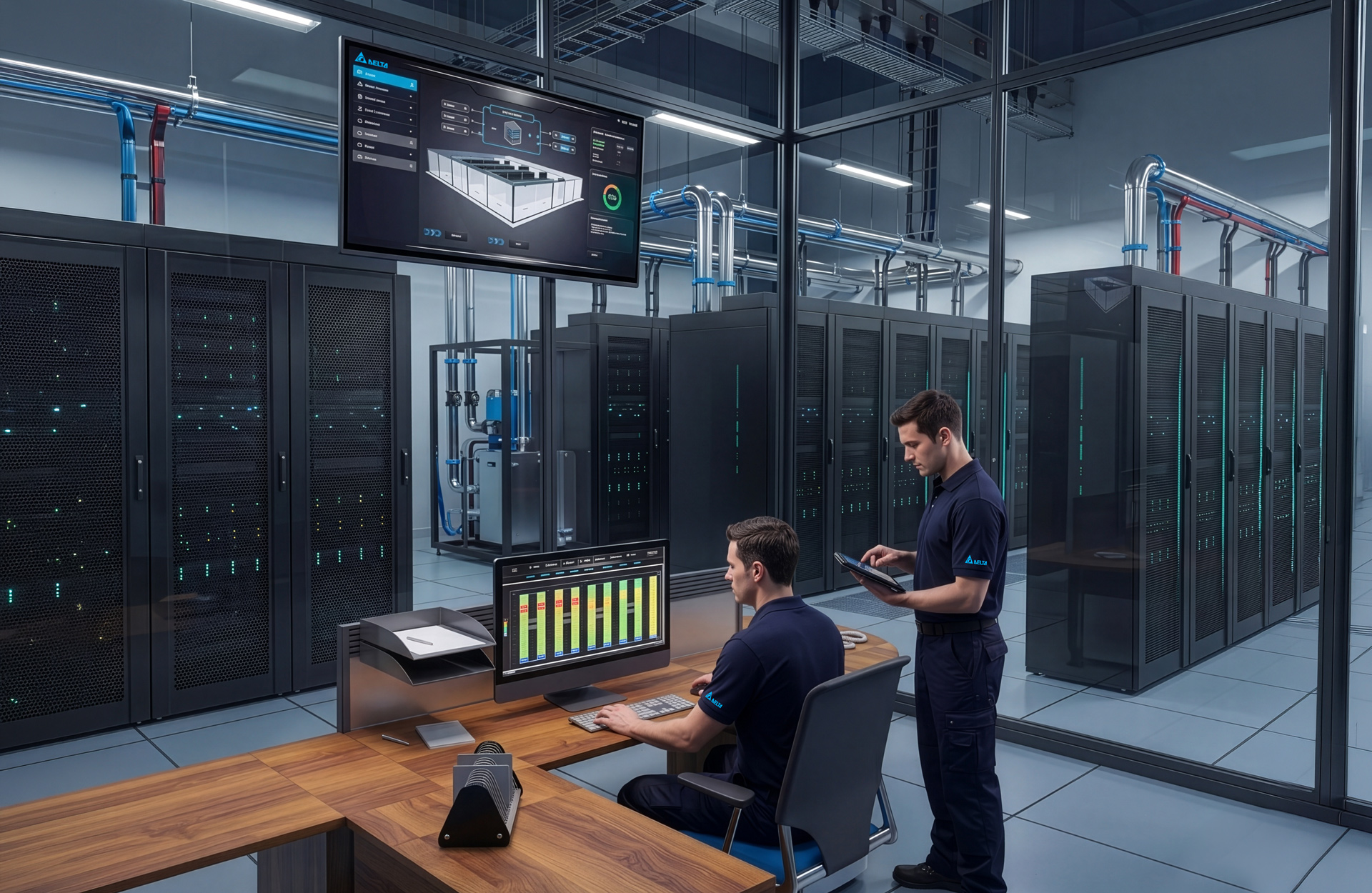
The Infrastructure Mindset
Every generation believes it’s living through a technology revolution. Very few recognise they’re also living through an infrastructure revolution.
Artificial intelligence will transform the digital economy. It won’t change the fundamental truth that has shaped every major infrastructure project I have worked on: technology creates possibilities, while infrastructure determines which of those possibilities become reality.
In the years ahead, secured megawatts will be traded the way capital once was. Those who locked them in early, and built the capability and relationships to use them well, will hold the currency everyone else is trying to buy. That is what I mean when I say infrastructure is the new currency of AI. And in this region, we have been earning it for thirty years.